Nitric Boost Ingredients: What Each of the Eight Is There to Do
Eight names, one scoop. This is a plain walk through each ingredient and the job the seller gives it, with a clear note on what the page does not tell you.
Contents
- 1Nitric Boost ingredients: the thread that ties them together
- 2The eight, one at a time
- 3How the eight sit together
- 4Reading an ingredient list without a label
- 5What the seller does not publish
- 6Questions worth sending to support
- 7A note on the word proprietary
- 8Who should check with a doctor
- 9Ingredients and everyday habits
- 10What the powder costs
- 11Our take
Nitric Boost ingredients are the first thing careful readers ask about, and fairly so. A powder is only as interesting as what is in it. The seller names eight ingredients, which is short enough to take one at a time. This guide does that, using the seller’s own descriptions and attributing every one of them. It also says clearly what the seller’s pages leave out, because an honest ingredient guide should be as clear about gaps as about contents.
Nitric Boost ingredients: the thread that ties them together
Everything starts with nitric oxide, a molecule produced by the body that helps blood vessels relax. The seller’s pitch is that the formula hands the body some of what it needs to make more of it, using one vegetable powder, a pair of amino acids, a vitamin and a few plants with a long history in traditional use. The seller aims the whole thing at circulation, energy, stamina and confidence, and it adds that individual results vary. We relay that framing as the seller’s and add nothing to it.
The eight, one at a time
Beet root powder
Beetroot is the vegetable of the group, and the seller leads with it. The argument is that the natural nitrates in beets are something the body can turn into nitric oxide, and the seller points to the following beets have among distance runners. Of the eight, this is the easiest to picture, since beet shows up in plenty of sports drinks.
L-arginine
An amino acid. In the seller’s account it is the starting material the body draws on when it builds nitric oxide, which makes it central to the whole idea. You will see it in many gym and wellness powders.
L-citrulline DL-malate
The companion amino acid, in a malate form. The seller says it works alongside arginine to keep nitric oxide levels supported, and gives the malate half some credit for energy. Together, arginine and citrulline are the formula’s two amino acid anchors.
Niacin (vitamin B3)
The only vitamin on the list. The seller ties it to blood vessels that stay flexible. People who already take niacin for another reason should mention that to a doctor before adding a powder that contains it.
Epimedium
A traditional herb, in the seller’s phrase. That is all we will say about it, and the entry is short on purpose.
Ginkgo biloba powder
A leaf powder with a long history in wellness products. The seller files it under antioxidant support aimed at blood vessels, in a supporting role.
Dong quai
Another traditional plant ingredient. The seller calls it a long-used tonic for circulation that supports healthy blood flow.
D-aspartic acid
An amino acid, and that is the extent of what we repeat about it.
How the eight sit together
Think of three tiers. The nitrate source is beet. The raw materials are L-arginine and L-citrulline. The supporting cast is niacin, ginkgo, dong quai, epimedium and D-aspartic acid. Our does-it-work guide explains the logic in everyday language, and our ingredients table sets the roles side by side for a fast look.
Reading an ingredient list without a label
Normally, an ingredient list comes with numbers, and the numbers let you judge. Here you have names without amounts, so the useful skill is knowing what a name can and cannot tell you. A name tells you what category of thing is involved: a vegetable powder, an amino acid, a vitamin, a plant. It does not tell you whether the quantity is large or tiny. It also says nothing about how the pieces interact, and it cannot reveal anything you might need to avoid beyond the items listed. That is why the sensible way to treat this list is as a description of intent, not a measurement. The seller shows you what it meant to include, and your own experience under the refund window tells you the rest.
What the seller does not publish
This is the section that matters most for careful buyers. We found no amount for any of the eight ingredients. The seller’s FAQ calls the mix a proprietary blend. We found no supplement facts image, no other-ingredients list and no statement about flavor, sweeteners or how much a scoop holds. That means you cannot judge dose, compare it with another product gram for gram or screen for something you avoid for dietary reasons beyond what the seller states.
Two things soften that gap. The seller describes the product as vegan, vegetarian, dairy-free, soy-free, non-GMO and non-habit-forming, and says it is made in a US facility certified under Good Manufacturing Practices with third-party inspections. Those are the seller’s statements, and we have not independently confirmed them. And the 60-day refund promise lets you try the powder and walk away, even with an empty jar.
Questions worth sending to support
If a missing detail matters to you, ask before you order. Useful questions: What is the weight of one scoop? Can you share the amount of each ingredient? Does the powder contain any allergen I should know about? Support can be reached at [email protected] or by phone on weekdays. How the seller answers is useful information in itself.
A note on the word proprietary
When the seller’s FAQ calls the mix a proprietary blend, it is using a common industry term for a recipe whose proportions are kept private. It is not unique to this product, and it is not proof of anything good or bad. It does mean that the page gives you the cast list and withholds the casting. If that bothers you, you are in good company, and the right response is the one we have described: ask support what you want to know, weigh the answers and rely on the refund window if you decide to test the powder.
Who should check with a doctor
A few of the eight work along the nitric oxide pathway, and others are often mentioned in connection with medicines that affect circulation. That does not make them unsafe. It makes a conversation with your doctor or pharmacist sensible if you take medicine, have a health condition or have surgery planned. Our safety guide covers the point calmly, and the ingredients page on our hub keeps a short version. The Nitric Boost hub lists the same cautions beside the packages.
Ingredients and everyday habits
A powder is a small part of a day. What you eat, how you sleep and how much you move shape how anyone feels, and no scoop changes that. If the seller’s story about beets and amino acids appeals to you, pair it with sensible habits: plenty of vegetables, regular movement and a doctor who knows what you take. That framing is not a disclaimer in disguise. It is the realistic setting in which a daily supplement is used, and it keeps expectations where they belong.
What the powder costs
A jar holds 30 servings, one scoop a day. One jar is $69, plus $9.99 US shipping, so $78.99. Three jars are $177 and six jars are $294, which is $59 and $49 a jar, and both ship free inside the US. Both larger orders include two bonus guides, and the one we can name is The Nitric Boost Blueprint, a handbook of timing tips, food pairings and smoothie recipes.
Our take
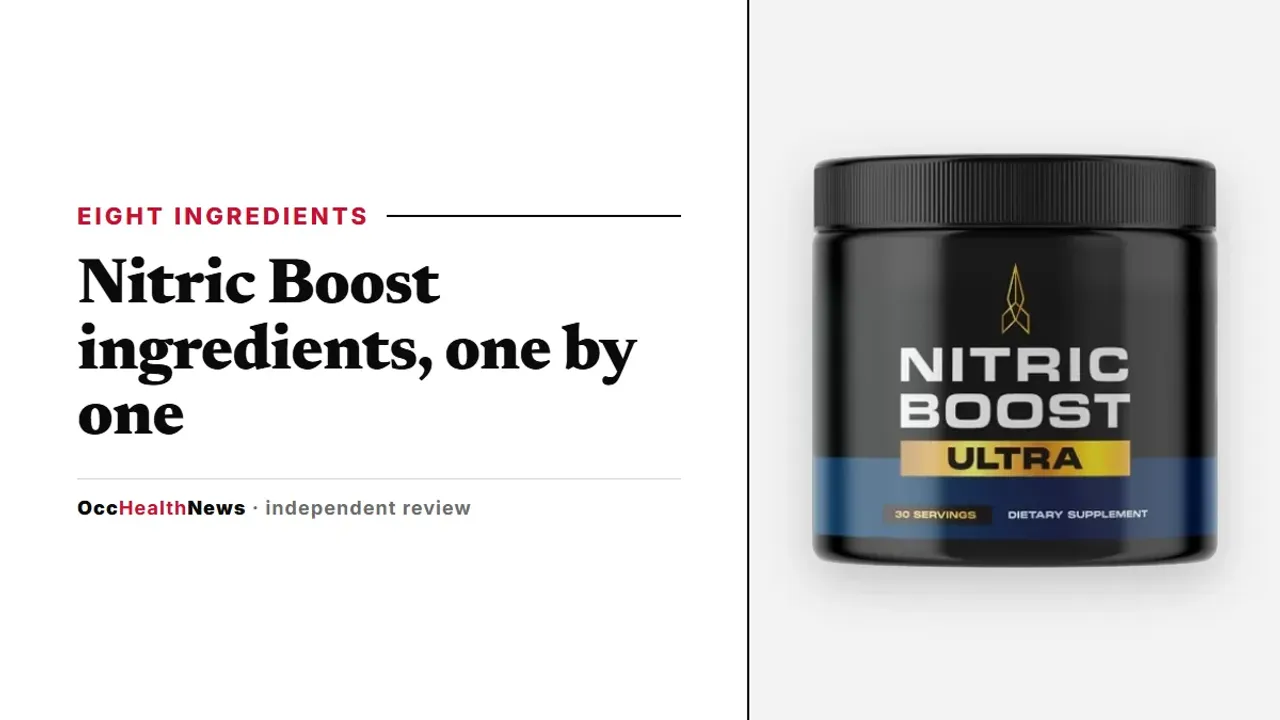
The ingredient list is short, readable and mostly familiar. Its weakness is silence about amounts, and its strength is that you can try the routine under a 60-day refund promise. We place the offer at 4.6/5 in our own editorial grading. As a first order, six jars at $49 each suits a reader who has made peace with the missing amounts. The Nitric Boost hub keeps the key facts together, and the jar’s label reads Nitric Boost Ultra.
Frequently asked questions
What are the Nitric Boost ingredients?
Beet root powder, L-arginine, L-citrulline DL-malate, niacin (vitamin B3), epimedium, ginkgo biloba powder, dong quai and D-aspartic acid.
Are the amounts listed?
No. The seller calls the mix a proprietary blend and prints no amount for any ingredient.
Which ingredients carry the nitric oxide idea?
Beet root powder, L-arginine and L-citrulline DL-malate, according to the seller.
What is epimedium?
The seller describes it as a traditional herb. We say nothing more about it.
Is there a full label?
We found no supplement facts image and no other-ingredients list on the seller's pages.
About the author
OccHealthNews Editorial Team. We read the studies, guidelines and regulatory filings so you do not have to, and we show our sources on every piece. More about how we work.