Nitric Boost · Ingredients
Nitric Boost Ingredients: Eight Names, No Published Amounts
Each of the eight Nitric Boost ingredients with the soft role the seller attaches to it, what the order page does not publish, and the questions worth taking to a pharmacist or doctor.
A daily powder drink mix in a 30-serving jar, one scoop in water, a smoothie or tea, built from eight named ingredients and positioned by the seller around healthy blood flow, energy, stamina and confidence.
- From $49/jar
- 60-day refund
- Men's Wellness
At a glance
- Refund window
- 60 days from your purchase
- Lowest per jar
- $49
- in the largest package
- Category
- Men's Wellness
- Our editorial score
- 4.6 / 5
- our judgement, not a customer rating
Most readers who open an ingredients page want one thing: a label to read. We have to be straightforward here, because that is the one thing the Nitric Boost order page does not offer. The seller names eight ingredients, calls the formula a proprietary blend and publishes no amounts for any of them. We looked on the order page, in its pictures and in the checkout, all on October 28, 2026, and found no supplement-facts panel. So this page does what it honestly can: it names each ingredient, passes on the role the seller gives it and suggests what to ask before you buy.
The eight at a glance
| Ingredient | What it is | Role the seller gives it |
|---|---|---|
| Beet root powder | A vegetable powder | Supplies nitrates, which the body is said to turn into nitric oxide; a staple for endurance runners |
| L-arginine | An amino acid | A building block the body draws on to make nitric oxide |
| L-citrulline DL-malate | An amino acid paired with malate | Teamed with arginine; its malate half is credited with energy support |
| Niacin (vitamin B3) | A B vitamin | Credited with keeping vessels healthy and flexible |
| Ginkgo biloba powder | A leaf-derived powder | An antioxidant ally for blood vessels |
| Dong quai | A traditional herb | An herb traditionally used as a circulation tonic |
| Epimedium | A traditional herb | Listed as a traditional herb, nothing more |
| D-aspartic acid | An amino acid | Listed as an amino acid, with no role spelled out |
The order in this table is ours. The seller’s list starts with the beet and goes on from there, and every role above is the seller’s description in our own words. None of it is a finding we have tested.
The nitrate source: beet root powder
Beet leads the cast. The page calls it a rich source of natural nitrates that the body turns into nitric oxide, and notes its popularity with endurance runners. That is everything the page says about beet, and it explains the drink-style format, since beet powder is something people already stir into smoothies.
What the page does not say is how much beet is in a scoop, how it was processed or how it compares with eating the vegetable. We will not guess.
The two amino acids
L-arginine opens the pairing, billed as the starting material for the body’s own nitric oxide. L-citrulline DL-malate follows as arginine’s companion in supporting nitric oxide levels, and its malate half is linked to energy.
With the beet, these two form the backbone of the idea: nitrates and amino acids arriving at the same pathway by different roads. Because certain medicines act on that pathway too, this is the stretch of the formula where a pharmacist’s view counts most. More on that below.
Niacin
Niacin, also written vitamin B3, has a simple job on the list: the seller links it to healthy, flexible vessels. No amount is given, and that matters for a vitamin because many readers track their total from several sources. Without a number you cannot add a scoop to a multivitamin and know where you stand.
Ginkgo biloba powder
Ginkgo is presented as antioxidant backing that helps guard the vessels. It is a familiar name on supplement shelves, which makes it easy to forget that it is also among the ingredients people on blood thinners are often told to raise with a doctor.
Dong quai
Dong quai is described as a traditional circulation tonic, there to support healthy blood flow. The word “traditional” carries real weight in that sentence: it points to long use in herbal practice and says nothing about a clinical result, and we read it the way the page does. Like ginkgo, it tends to come up whenever blood thinners are discussed.
Epimedium
The seller lists epimedium simply as a traditional herb. That is all it says, and it is all we say. If you meet other names for the same plant elsewhere, treat them as a reason to compare labels carefully, not as extra information about this product.
D-aspartic acid
The last entry is an amino acid. The seller attaches no description to it that we repeat, so beyond the name there is nothing for us to add.
Why no amounts matter
A proprietary blend lets a seller name ingredients and keep quantities to itself. That is common and not improper, yet it limits what a careful reader can do.
- A scoop cannot be set beside what you already take.
- Which ingredient dominates the mix stays hidden.
- A doctor or pharmacist has no number to work with.
- Value cannot be judged against a product that prints amounts.
This is no mark against honesty. It is a gap, and the sensible response to a gap is a question. The refund page lists a support email and a phone line, and a short message before you order costs nothing.
What else is in the jar
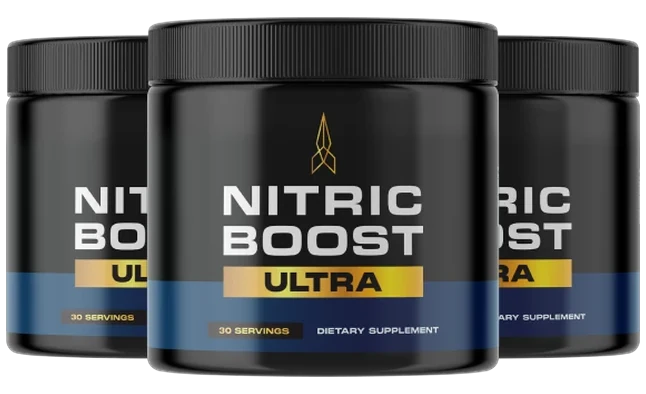
Eight ingredients are named and nothing else is. No sweetener, flavor or other ingredient is listed and the order page gives no taste description. We cannot say what else the powder contains, and we would not trust a site that claims to know. The jar itself reads “Dietary Supplement” and “30 Servings”.
General research
The order page refers to general research on the nitric oxide pathway. Those papers deal with the pathway and not with Nitric Boost, so we do not present them as evidence for this powder and name no titles.
Questions for your pharmacist or doctor
A number of these ingredients act on the nitric oxide pathway, and niacin, ginkgo and dong quai are often mentioned for blood-thinner users. That suggests a short, calm list of questions.
- I use blood pressure medicine, nitrate medicine (for example for chest pain) or a blood thinner. Does a powder like this raise any concern?
- I have a cardiac or circulatory condition. Should I check first?
- An operation is scheduled. How far ahead, if at all, should I leave supplements off?
- Here is the ingredient list. Is anything on it something you would steer me away from?
These are questions, not warnings. The seller’s own FAQ says to talk to a doctor before any new supplement, and its footer says the same to anyone expecting, breastfeeding, taking medication or managing a condition. Never change or drop a medicine without the doctor who prescribed it. Our post on the ingredients walks through the same list in a different order.
What to take away
Eight named ingredients, led by beet and two amino acids, with a soft, traditional or supporting role for the rest, and no published amounts. For readers who want numbers before buying, that is a real limit. For those comfortable trying a food-style powder with a doctor’s blessing and a 60-day refund as backup, the missing label is a reason to ask, not a reason to walk away.
Good to know
- • Nitric Boost is a dietary supplement and individual results vary. The seller asks anyone who is pregnant, nursing, taking medication or living with a medical condition to consult a physician first.
- • Beet nitrates, L-arginine and L-citrulline work along the nitric oxide pathway, and niacin, ginkgo and dong quai are often mentioned for people on blood thinners. If you take blood pressure medicine, nitrate medicine or blood thinners, have a heart or circulation condition or have surgery planned, ask your doctor or pharmacist first.
- • The 60 days are counted from your purchase, as ClickBank words it. Empty containers are accepted, the buyer pays return shipping or refuses the parcel on delivery, and the seller gives no refund timing.
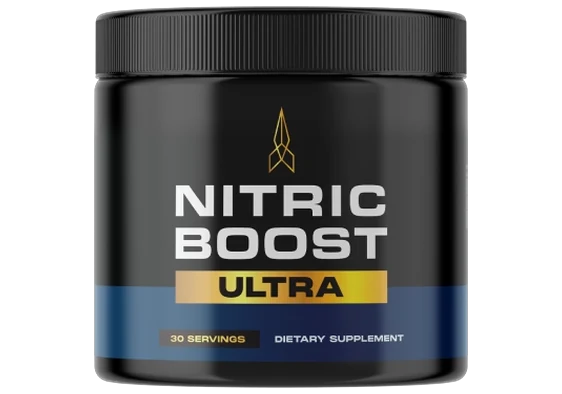
3 jars
90-day supply$59/jar
$177 total
- Free US shipping
- 2 bonus guides
- 60-day money-back guarantee

6 jars
180-day supply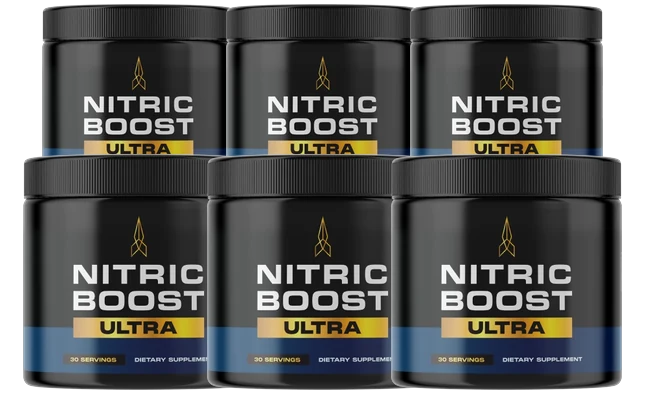
$49/jar
$294 total
- Free US shipping
- 2 bonus guides
- 60-day money-back guarantee
Prices are the ones on the seller's order page when we looked on October 28, 2026. A single jar adds $9.99 for US shipping; 3 and 6 jars ship free inside the US. Tax and shipping to other countries are worked out at checkout. The order page shows no crossed-out prices and no savings.
Frequently asked questions
Which ingredients are in Nitric Boost?
Beet root powder, L-arginine, L-citrulline DL-malate, niacin (vitamin B3), epimedium, ginkgo biloba powder, dong quai and D-aspartic acid. Those are the eight the seller names.
Does the seller publish how much of each ingredient is in a scoop?
No. We found no amounts and no supplement-facts panel, so we do not quote any. The formula is described as a proprietary blend.
Is there anything else in the powder?
The seller lists no other ingredients, sweeteners or flavors, so we cannot say. Support can be asked directly before you order.
More on Nitric Boost
- Overview: Nitric Boost Price Oct 2026: $49/Jar, Legit & Where to Buy
- Review: Nitric Boost Review: Powder, Packages, Refund and Score
- Benefits: Nitric Boost Benefits: What It Is Designed to Support
- Safety: Nitric Boost Safety: Who Should Ask a Doctor First
- Price: Nitric Boost Price: Packages, Daily Cost and Shipping
- FAQ: Nitric Boost FAQ: Price, Use, Refunds and Safety Answered
- Comparison: Nitric Boost Compared: Packages and Everyday Habits
- Where to buy: Where to Buy Nitric Boost: Ordering Steps and What to Expect
- Official website: Nitric Boost Official Website: Find the Real Order Page
More in Men's Wellness, or see our editorial shortlist.
Other products in Men's Wellness
AllAbout this guide
OccHealthNews Editorial Team. We read the seller's pages, terms and refund policy and the published research, and we show our sources. We do not run lab tests. Our methodology.