Neuro-Balance Therapy Side Effects: Is It Safe to Start?
A home balance routine is easy to begin when the ground rules are clear. Here is our practical safety guide: what to ask your doctor, how to set up your space and how to treat the spike ball.
Contents
- 1Neuro-Balance Therapy side effects: what to expect
- 2Start with a word to your doctor
- 3Build a supported space
- 4Go at your own pace
- 5Treat the spike ball kindly
- 6Signs to pause
- 7Choosing the digital version for a gentle start
- 8A fall or new unsteadiness deserves a check
- 9Making the rest of your home safer too
- 10What the seller says
- 11A calm first week
- 12Your safety net: the guarantee
- 13Our verdict
Starting any new routine brings a natural question: is this safe for me? It is a sensible thing to ask about Neuro-Balance Therapy, and the answer is encouraging. It is a home exercise program of short, guided sequences, and the way to begin comfortably comes down to a handful of simple habits. This guide walks through them, from the doctor’s visit to the way you handle the spike ball, so you can begin with confidence and enjoy the routine.
Neuro-Balance Therapy side effects: what to expect
Neuro-Balance Therapy is an exercise routine delivered by video. It is not a medicine, so the points to think about are the ones that apply to any new movement. You might feel a little tired or slightly sore when you first use muscles in a new way, and the spike ball presses on the skin of the foot, which some people find sensitive. These are normal things to plan for, and the habits below keep them comfortable. If something hurts, or you feel unwell, ease off or stop. Individual experiences vary, and the seller’s terms point you to a health care professional for medical advice.
Start with a word to your doctor
A short conversation with your doctor before a balance routine is one of the best things you can do, because it takes seconds and tells you which moves suit you. It matters most if any of the following applies to you:
- You have had a fall recently.
- You have had surgery.
- You get dizzy at times.
- You live with neuropathy.
- You have a joint replacement.
- You have osteoporosis.
- You manage any other medical condition.
Your doctor knows your history. They can say whether to start at Beginner, whether to skip any move and whether the spike ball suits your feet. Keep taking your prescribed medicines exactly as directed, and never change them because of an exercise routine. If it helps, show the manual to your doctor so they can see what the sequences involve.
Build a supported space
Your surroundings carry half the safety plan, and the setup costs nothing.
- Clear the floor. Rugs, cords and clutter should be out of the way.
- Keep a firm support close. A solid chair, or a worktop that takes your weight, gives you a handhold for each move.
- Light the room well. Your feet and the screen should both be easy to see.
- Set the screen at eye level. Twisting your neck to follow a lesson is an easy habit to avoid.
- Wear comfortable clothes and sensible footing. Practice in what feels steady to you.
Even when a move feels easy, keep your support close. It lets you concentrate on the instructor instead of on your balance.
Go at your own pace
The lessons are arranged in three levels, and you choose where to start. We suggest the first one, even if you feel confident, since a relaxed opening week teaches you the rhythm. Step up a level once it feels easy, and step back whenever you like. Pausing is always allowed. The seller describes short sequences of a few minutes, so there is no need to push for more. If you feel pain, dizziness or faintness, stop and rest, and speak to your doctor before you carry on.
Treat the spike ball kindly
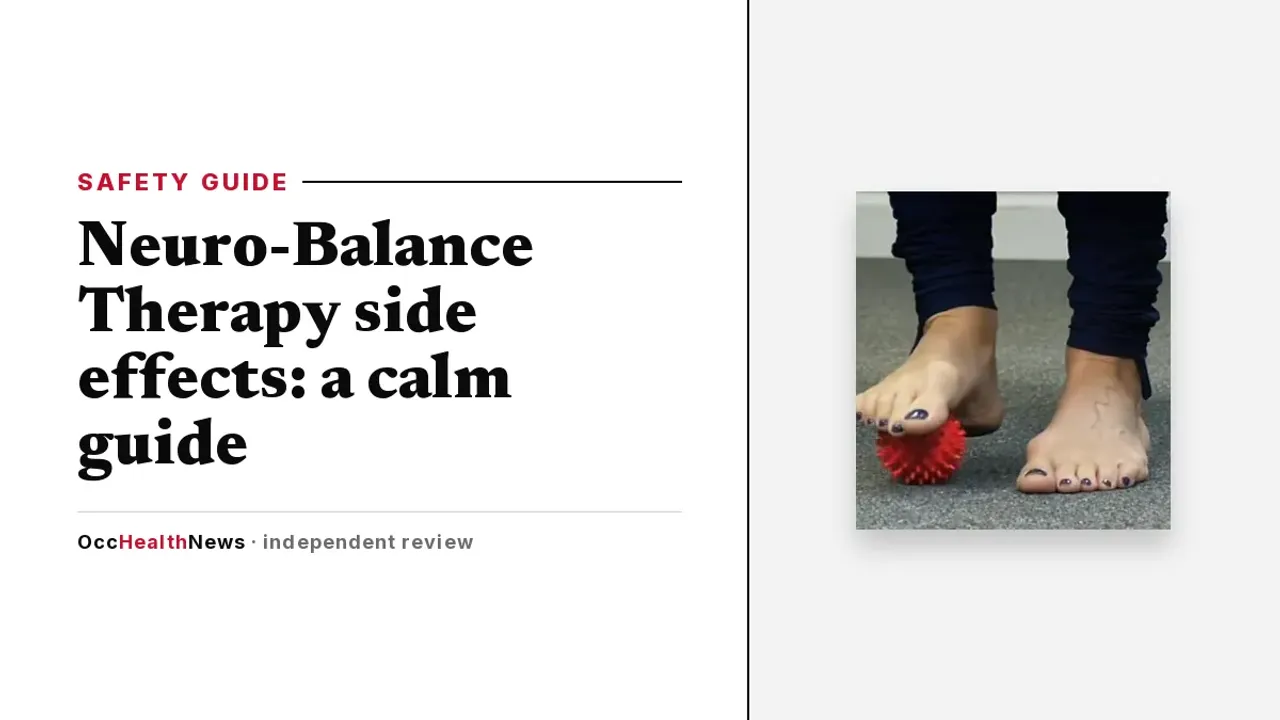
The routine’s sequences are built around a spiky massage ball, which comes with the DVD edition and is not part of the digital version. Because it presses into the foot, a few habits help.
- Start with gentle pressure and build slowly.
- Leave the ball in its box if the skin is broken or sensation in your feet is reduced, unless your doctor says it is fine.
- Stop if the pressure turns sharp or the skin looks irritated.
- Store it where you will not tread on it by accident.
Not sure how the ball will feel on your feet? Ask your doctor before using it. Our what is included guide explains which option carries the ball.
Signs to pause
Listen to your body, and pause the lesson if you notice any of these.
- Pain in a foot, leg, hip or back
- Dizziness or a floaty feeling
- Faintness or unusual breathlessness
- Skin that looks red or sore after ball work
- A general sense of being unwell
Sit down, rest and let it settle. If the feeling returns or does not pass, check in with your doctor before you try again. There is no prize for pushing through, and the lesson will be there tomorrow.
Choosing the digital version for a gentle start
For a careful first step, the $37 digital version has a few small advantages. You can watch each lesson in full before you stand up, pausing as often as you like. You can try a sequence from a seated position, which the seller says is possible. And the ball question can wait: you can decide on the DVD edition later, after your doctor has had a say about foot pressure. Our Neuro-Balance Therapy buyer’s guide shows both options side by side.
A fall or new unsteadiness deserves a check
Feeling unsteady for no clear reason, or having a fall, calls for a medical visit. The cause may lie beyond the reach of a home routine, such as medicines, blood pressure, eyesight or the inner ear, and a doctor can look into each. Think of Neuro-Balance Therapy as something that sits beside that care and never in its place. Our safety page keeps this checklist in short form.
Making the rest of your home safer too
A balance routine works best in a home that supports it. The free bonus checklist that comes with both options is a handy prompt: walk through each room with fresh eyes, thinking about lighting, loose rugs, stair edges and clutter. You may spot a small change that makes a big difference, such as a nightlight in the hallway. It is a prompt for your eyes, not medical advice, and pairing it with your practice puts the same instinct to work in two places.
What the seller says
The seller’s terms describe the program as no replacement for medical advice, and they suggest speaking with a health care professional first. We pass that along as the seller’s statement. It fits comfortably with everything above: talk to your doctor, keep your medicines as prescribed and go gently.
A calm first week
- Before day one: see your doctor and set up your space.
- Day one: watch the first Beginner lesson from a chair, without doing the moves.
- Days two to four: follow along with support in reach for a few minutes at a time.
- Days five to seven: repeat, and note how each session felt.
Should something feel off at any stage, stop and call your doctor. Steady beats fast, and the point is a habit you can keep.
Your safety net: the guarantee
Starting calmly is easier when you are not locked in. A 60-day money-back guarantee covers the purchase. A download is refunded through a request to ClickBank order support, and a disc is mailed back, with the price returned less shipping and handling. That leaves you free to try the routine gently and decide for yourself. Our money-back guarantee guide gives every step.
Our verdict
With a doctor’s okay, a supported space and a gentle start, Neuro-Balance Therapy is a sensible, low-effort way to bring balance practice into your home. The $37 digital version is the gentlest way in, and the $47 DVD edition adds the ball. On our own scale the offer earns 4.5 out of 5. For the full picture, read our guide to Neuro-Balance Therapy, or our reviews post for a buyer’s-eye view.
Frequently asked questions
Is Neuro-Balance Therapy safe to start?
It is a home exercise routine, and the sensible way to begin is to ask your doctor, practice beside something sturdy, start at Beginner and stop if anything hurts or you feel unwell.
Does Neuro-Balance Therapy have side effects?
It is an exercise routine and not a medicine. As with any new movement, you may feel tired or a little sore at first, and you should ease off or stop if you feel pain or unwell.
Who should ask a doctor first?
Anyone starting a balance routine, and especially people recovering from a fall or surgery, or living with dizziness, neuropathy, a joint replacement, osteoporosis or another medical condition.
Can I use the spike ball on any foot?
Leave it out when the skin is broken or the feet are numb, unless your doctor agrees, because a spike ball can bruise sensitive skin.
What if I feel unsteady for no clear reason?
See a doctor. Medicines, blood pressure, eyesight and the inner ear can all play a part, and a home routine is an addition to that care.
What if the routine is not for me?
A 60-day money-back guarantee applies, with a refund route for digital buyers and one for DVD buyers.
About the author
OccHealthNews Editorial Team. We read the studies, guidelines and regulatory filings so you do not have to, and we show our sources on every piece. More about how we work.