The 2025 Blood Pressure Guideline, Explained: What Changed and Who It Affects
Nearly half of American adults have high blood pressure. The August 2025 guideline from the American Heart Association and American College of Cardiology does not move the goalposts, but it does change the game plan.
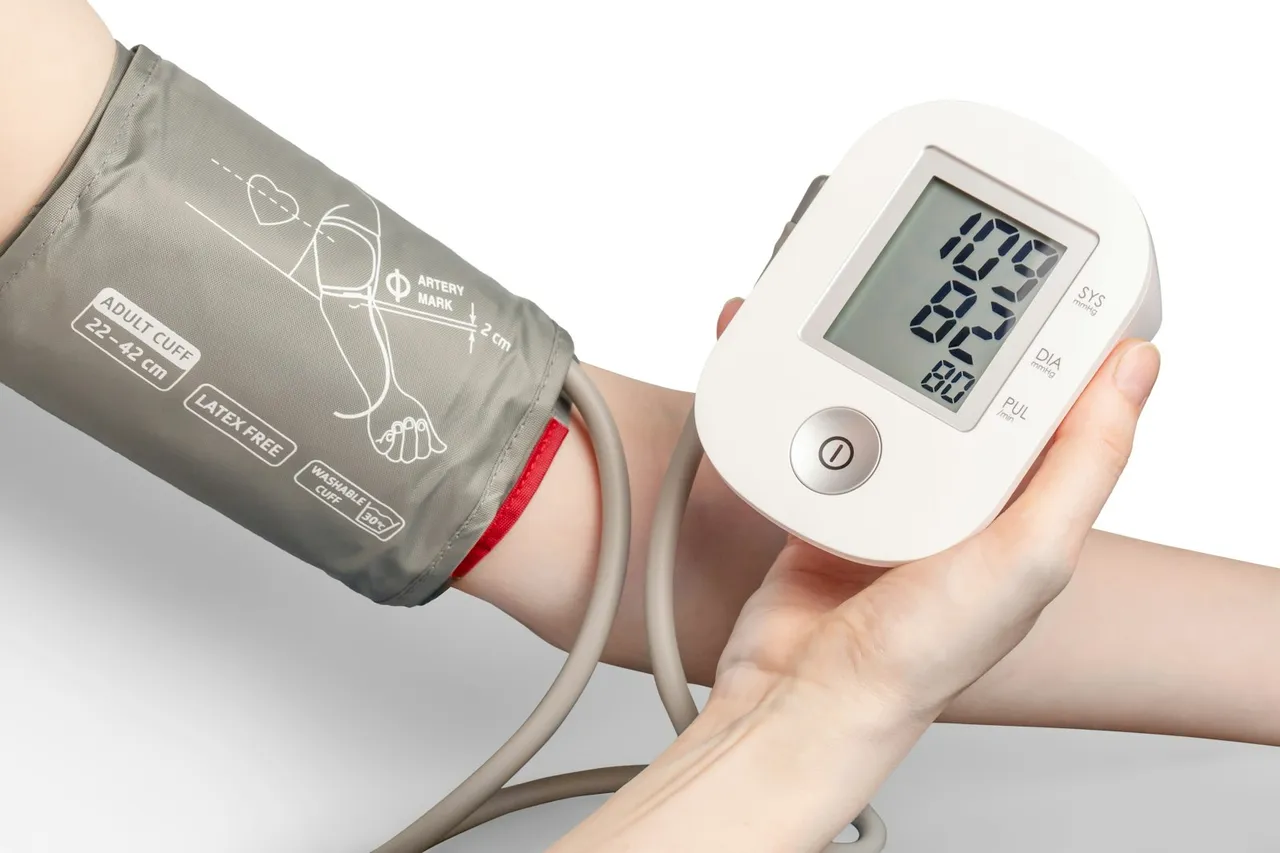
In August 2025 the American Heart Association and the American College of Cardiology, with eleven other professional bodies, published their first full high blood pressure guideline since 2017. It runs to well over a hundred pages. If you have ever been told your blood pressure is “a bit high”, most of what matters to you fits in this article.
The numbers did not move
The 2017 guideline caused a stir by lowering the definition of hypertension from 140/90 to 130/80, which reclassified tens of millions of Americans overnight. The 2025 update keeps those definitions:
| Category | Systolic (top number) | Diastolic (bottom number) | |
|---|---|---|---|
| Normal | Under 120 | and | Under 80 |
| Elevated | 120 to 129 | and | Under 80 |
| Stage 1 hypertension | 130 to 139 | or | 80 to 89 |
| Stage 2 hypertension | 140 or higher | or | 90 or higher |
By the CDC’s estimate, nearly half of US adults, around 120 million people, meet the definition of hypertension, and only about a quarter of them have it under control. High blood pressure is the leading modifiable risk factor for stroke, heart attack, heart failure, kidney disease and, increasingly recognised, dementia.
The main change: how stage 1 is handled
The most consequential update is for people in stage 1, the 130 to 139 systolic or 80 to 89 diastolic band. These are the people most often told to “watch it”.
The 2017 guideline used the pooled cohort equations, a 2013 calculator, to estimate 10-year risk of heart attack or stroke and decide whether a stage 1 patient needed medication. The 2025 guideline replaces that calculator with PREVENT, published by the AHA in 2024. PREVENT was built on data from more than six million people, includes kidney function and, where available, HbA1c and a measure of social deprivation, and does not use race as an input. It estimates total cardiovascular risk, including heart failure, rather than heart attack and stroke alone.
The decision rule for stage 1 is now:
- Start with lifestyle changes.
- Reassess after three to six months.
- If blood pressure is still at or above 130/80 and the PREVENT 10-year cardiovascular risk is 7.5% or higher, start medication.
The 7.5% threshold is lower than the 10% cut-off used with the old calculator, but PREVENT also tends to produce lower risk estimates than the pooled cohort equations did for the same person, so the net effect on who gets treated is not a simple expansion. Anyone with stage 1 and existing cardiovascular disease, diabetes or chronic kidney disease is recommended for medication without waiting on the risk score. Stage 2 is treated with medication straight away, usually two drugs.
Lifestyle: the same tools, firmer language
The lifestyle recommendations will be familiar, but several were sharpened.
- Sodium: under 2,300 mg a day, with an ideal of 1,500 mg for most adults. Potassium-enriched salt substitutes are endorsed for people without kidney disease or potassium-raising medicines.
- Alcohol: the strongest shift in tone. The guideline now says ideally avoid alcohol altogether; for those who drink, no more than one drink a day for women and two for men. The previous version framed moderation as acceptable.
- Weight: a loss of at least 5% of body weight for adults who are overweight or obese, with explicit acknowledgement that newer weight-loss medications can be part of that plan.
- Diet: the DASH-style pattern, heavy on vegetables, fruit, whole grains, legumes, nuts and low-fat dairy.
- Exercise: 75 to 150 minutes a week of aerobic and resistance activity, which is more modest than general fitness guidance and reflects what trials in people with hypertension actually tested.
- Stress management: added as a recommendation, with meditation, breathing exercises and yoga mentioned as options.
None of these is new, but the guideline now spells out that lifestyle changes are the first step for everyone, not a substitute for medication once risk is high.
Measure it properly, and measure it at home
A recurring theme is that a lot of hypertension is misdiagnosed in both directions because of how it is measured. The guideline asks clinicians to confirm an office reading with out-of-office measurements before labelling someone, and to use home readings to track treatment.
Home monitoring done well means:
- An upper-arm cuff from a validated device list, not a wrist or finger model.
- Sitting with back supported, feet on the floor, arm at heart level, after five minutes of rest.
- No caffeine, exercise or smoking in the previous 30 minutes.
- Two readings a minute apart, morning and evening, for a week, then averaging.
This catches “white coat” hypertension, where clinic readings run high but home readings are normal, and the more dangerous “masked” hypertension, where the reverse is true.
Other changes worth knowing
Pregnancy. The threshold for starting or continuing medication in pregnancy was lowered to 140/90, following the 2022 CHAP trial, which found treating at that level reduced serious complications without harming the baby. Low-dose aspirin from 12 weeks is advised for those at risk of pre-eclampsia.
Brain health. For the first time the guideline explicitly cites lowering blood pressure as a way to reduce the risk of cognitive decline and dementia, drawing on trial evidence published since 2017.
Primary aldosteronism. A hormonal cause of high blood pressure that is far more common than once thought and often missed. The guideline widens who should be screened, including everyone with resistant hypertension and those with low potassium or sleep apnoea.
Initial drug choice. Still thiazide-type diuretics, ACE inhibitors, angiotensin receptor blockers and calcium channel blockers as first-line options, with single-pill combinations encouraged for stage 2 because people take them more reliably.
What this means for you
If your readings sit between 130 and 139 over 80 to 89, the practical change is that your doctor should now run your numbers through PREVENT, and you should know your result. A 10-year risk under 7.5% means lifestyle first, with a real review in a few months rather than an open-ended “keep an eye on it”. A risk at or above 7.5%, or any of diabetes, kidney disease or existing heart disease, means medication is now the recommended path if lifestyle alone does not get you under 130/80.
If you are already on treatment, the target of under 130/80 applies to you, and home readings are how you and your clinician should judge it.
The 2025 guideline is less a revolution than a tightening. The definitions stay, the targets stay, and the message that the lower 130/80 line was not a mistake is reaffirmed. What changes is the precision of the decision for the millions of people in the grey zone, and the expectation that those decisions rest on good measurements rather than one hurried reading in a clinic.
Sources
- 1 2025 AHA/ACC/AANP/AAPA/ABC/ACCP/ACPM/AGS/AMA/ASPC/NMA/PCNA/SGIM Guideline for the Prevention, Detection, Evaluation, and Management of High Blood Pressure in Adults Circulation · 2025
- 2 Development and validation of the American Heart Association's PREVENT equations Circulation · 2024
- 3 A randomized trial of intensive versus standard blood-pressure control (SPRINT) The New England Journal of Medicine · 2015
- 4 High blood pressure facts US Centers for Disease Control and Prevention
About the author
OccHealthNews Editorial Team. We read the studies, guidelines and regulatory filings so you do not have to, and we show our sources on every piece. More about how we work.