Neuro Energizer Side Effects: A Calm Listening Guide
A relaxed look at how to listen comfortably: volume, headphones, timing, who should check with a doctor and what to do if a session does not feel right.
Contents
- 1The quick checklist
- 2Neuro Energizer side effects: what it is, and what it is not
- 3Volume and headphones
- 4Why comfort is the main question
- 5Where and when to listen
- 6Who should check with a doctor first
- 7If a session does not feel right
- 8A comfortable first week
- 9Habits that keep a daily routine pleasant over time
- 10How the guarantee fits in
- 11Our verdict
Asking about Neuro Energizer side effects before you order is sensible. A listening routine ought to feel good from the first session, and with a short audio routine for relaxing and focusing, comfort depends mainly on how you listen: your surroundings, the loudness and any personal health detail that deserves a word with your doctor. This guide gathers the practical points into one calm checklist, so that your first session starts at ease.
The quick checklist
- Set the sound level so it feels easy on your ears.
- Leave the audio off whenever you drive or run equipment.
- Pick a spot where you can sit or lie back.
- A history of seizures or epilepsy means a chat with your doctor comes first.
- So does a hearing problem, a hearing aid or an implanted device.
- So does a pregnancy.
- Pause the audio if you feel dizzy or uneasy.
- Take prescribed medicines exactly as directed, as always.
This checklist is ours, written by our editorial team, and it suits any audio you play on a regular schedule.
Neuro Energizer side effects: what it is, and what it is not
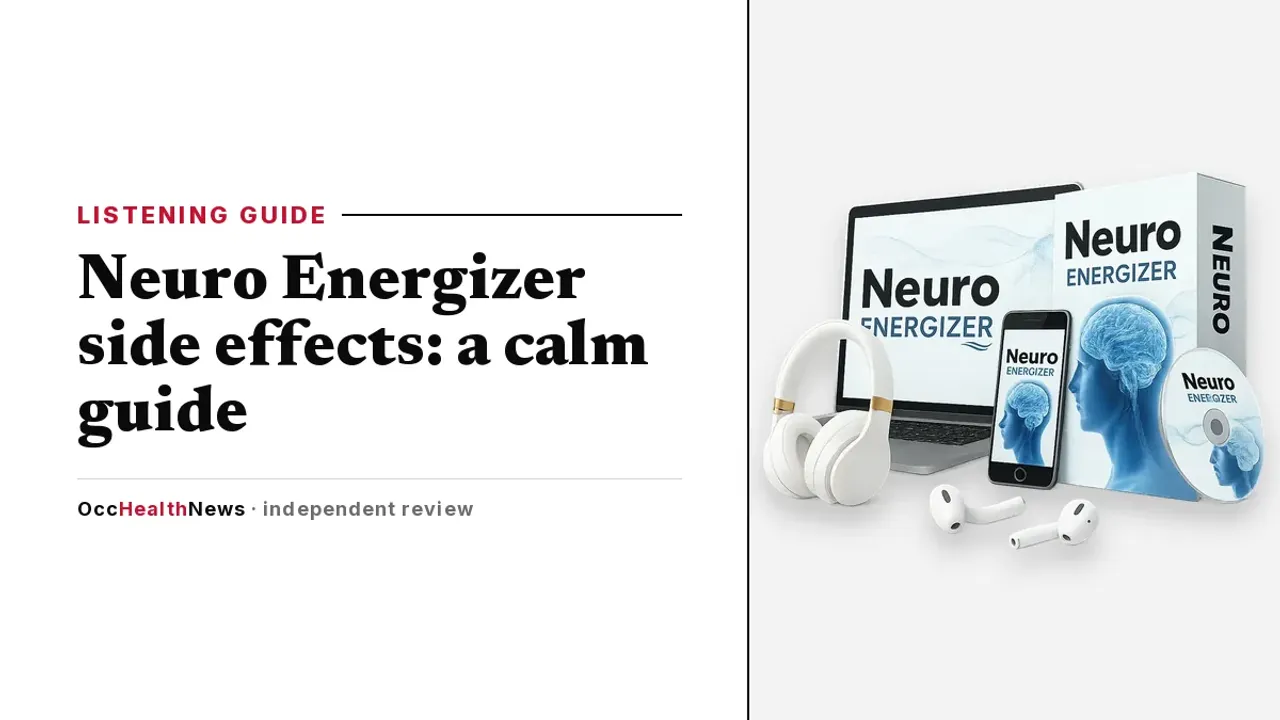
According to the seller, the tracks use binaural beats to help you slow down, settle and concentrate. You open the access link, put on headphones and press play, and the session is brief. It sits next to sleep, daylight, movement and good food, never in place of them. It is not a medical product and no stand-in for care from a professional. What the audio is meant to do is the seller’s description, and experiences differ from person to person.
Volume and headphones
Binaural tracks send a slightly different tone to each ear, which is why headphones are the natural choice, and the seller says an ordinary pair works. Loud is never better: start low, press play and nudge the level up only until the sound is clear. Should the audio seem quiet, a small increase is enough, and the top of the dial is never required. Lift the headphones off between sessions and give your ears some quiet.
A few habits keep headphone time pleasant:
- choose a fit you forget about, since light headphones are easier to wear for a whole session;
- check the level before each play, especially after a loud day;
- wipe the headphones now and then so they stay comfortable;
- share the room kindly, because headphones keep the sound to yourself.
Why comfort is the main question
When people ask about side effects, they usually mean a simple thing: will listening feel pleasant, and is there anything I should watch for? With an audio routine, the answers are practical. Sound that is too loud is uncomfortable, a session in the wrong place is a distraction and a person with a particular health history is wise to ask a professional. None of those is a reason to avoid the routine. They are the same sensible habits that suit any music, podcast or guided audio you play every day, and they cost nothing to follow.
Brevity helps here, since a short daily session, as the seller describes it, is easy to stop, easy to adjust and easy to fit into a safe moment. If you ever feel that a session is not for you, you can stop it at any point, and nothing obliges you to continue.
Where and when to listen
Because the audio is meant to help you settle, pick a setting where settling is safe: somewhere you can sit back or lie down, with your hands and eyes free of other jobs.
- Not at the wheel. Keep it away from driving and away from machinery.
- Not on the move. Crossing a street or cycling is the wrong moment for a settling routine.
- Not mid-task. Choose a real break, like lunch or the evening, over a moment that demands your full attention.
Who should check with a doctor first
A short audio routine suits most settings, and a few situations deserve a quick conversation before you begin. Please check first if one of these describes you:
- Epilepsy or a seizure history. Ask your doctor before you listen.
- Hearing problems, hearing aids or implanted devices. A doctor or hearing specialist can tell you whether headphone audio like this is a good fit.
- Pregnancy. Tell whoever looks after you about any new routine.
- Any condition you treat with medicine. Take prescribed medicines exactly as directed, and tell your doctor about anything new.
That list is ours, and it is quick to follow.
If a session does not feel right
Pause the audio. Lift off the headphones, sit still for a while and let the moment pass. Dizziness, light-headedness or unease are reasons not to push on with the session. If the sensation lingers, talk to a health professional. The 60-day guarantee fits this decision too: you can step back, take your time and ask for a refund if the routine turns out not to suit you.
A comfortable first week
Week one is for easing in and finding out what suits you.
- Start with one session a day. Rushing gains you nothing.
- Pick a calm, familiar spot. Home is perfect for the opening sessions.
- Notice how you feel afterward. A single line in a notebook is enough.
- Tweak the volume, the timing or the headphones until the routine feels natural.
- Pause whenever you like. You are in charge of the session.
When something feels off, trust that instinct, stop and ask a professional. This advice is ours, and it holds for any audio routine you try.
Habits that keep a daily routine pleasant over time
A routine lasts when it stays comfortable, so a few long-term habits are worth building in from the start.
- Keep one regular slot. A steady time of day makes the session familiar, and familiar is relaxing.
- Rotate your listening spot. If one seat starts to feel stale, try another.
- Give yourself rest days if you like. Nothing in the routine requires a perfect streak, and an occasional break costs you nothing.
- Look after your headphones. Clean, well-fitting headphones are more pleasant and easier to wear.
- Check in with yourself. If you notice that a time of day does not suit you, move the session.
- Tell your doctor. At your next appointment, mention the routine alongside everything else you do for your wellbeing.
These habits are ours and not the seller’s, and they apply to nearly every daily listening practice, from a podcast to a guided audio. They keep the focus on comfort, which is the point of the whole routine.
How the guarantee fits in
Comfort is personal, so the best test is a trial. The 60-day window, with a full refund from the seller and bonuses that stay with you, lets you step back calmly, and ClickBank’s order page gives a return-or-replacement route over the same period. You can listen at your own pace and decide without pressure. Our money-back guarantee guide lists the routes, and our guide to what comes with the order shows the full package.
Our verdict
For a listener who follows the simple habits above, Neuro Energizer is a gentle, low-effort routine with a clear price of $39 and a long refund window. Our editorial rating of 4.5 out of 5 reflects that. You will find the reasoning on our safety page and in the Neuro Energizer overview, which also lists the price, the contents and the refund routes. The complete guide is the quickest way to see it all.
Frequently asked questions
Does Neuro Energizer have side effects?
It is an audio routine, so comfort depends on how you listen: gentle volume, a safe place and a stop if you feel dizzy. Experiences vary, and a doctor is the right person to ask about your own situation.
Can I listen while driving?
No. Never listen while driving or operating machinery. Save it for a moment when you can sit or lie down.
Who should ask a doctor first?
People with epilepsy or a seizure history, a hearing condition, a hearing aid or implanted medical device, and anyone who is pregnant.
What if I feel dizzy?
Stop the audio, take off the headphones and rest. If the feeling continues, speak to a health professional.
Can I use it with my medicines?
It is not a medical product. Keep taking prescribed medicines exactly as directed and mention any new routine to your doctor.
What if the routine is not for me?
The 60-day guarantee lets you ask for a refund, and the seller says you keep the bonuses.
About the author
OccHealthNews Editorial Team. We read the studies, guidelines and regulatory filings so you do not have to, and we show our sources on every piece. More about how we work.